 Lux Amplify

The guest list stretches from R&B to pop to Detroit rap, but the center of gravity stays the same: the low, unhurried Dallas delivery that made him one of the most recognizable voices in Southern rap.
Lux amplify editorial / the deeper story
The lux read
There's a second story tucked inside the headline BigXthaPlug goes long on BETTER OVER TIME. It sits in the details—the people who made the work, the city around them, and the chance for a listener to find the original music. That is where a quick news item starts becoming a proper read.
Look past the headline
The Northwest isn't one single sound. Portland and Seattle have their own histories, their own rooms, and their own reasons for celebrating independent music. National attention may move in waves, but local listening is an everyday practice. The record matters beyond the size of its promotional campaign. That background brings perspective to the published details, not permission to assign anyone a role or an achievement the source never named. R&B is often at its most interesting when it leaves room for emotional detail: what a singer says, what they leave unsaid, and how a listener fills in the space between. That is a listening invitation, not a claim about the production of this particular track. The finished recording has to speak for itself.
Why the details count
Think of the difference between an interesting link and an actual reference. A reference gives you enough context to know what you're opening, where it came from and why it might be worth your time. That is what a regional music publication should aim to deliver. An album title and an individual song can point in different directions. Hearing the selection on its own is one experience; returning to it within the full release tells you more about the sequence the artist chose to put in front of the audience. Give both a chance before deciding where it belongs in your rotation.
What to check next
Start with the named source already linked in this article. From there, follow the official artist, project or performance page and compare any credits with what the source actually states. If there is a video, enjoy it through the original uploader; if there is only a search link, treat that as a search rather than a verified official profile. When music coverage only repeats a headline, everybody loses something: the artist loses context, collaborators disappear, and listeners are left guessing. Our approach is to put the public facts on the table and then talk about why they might matter to people who care about the culture.
Photography and source credits
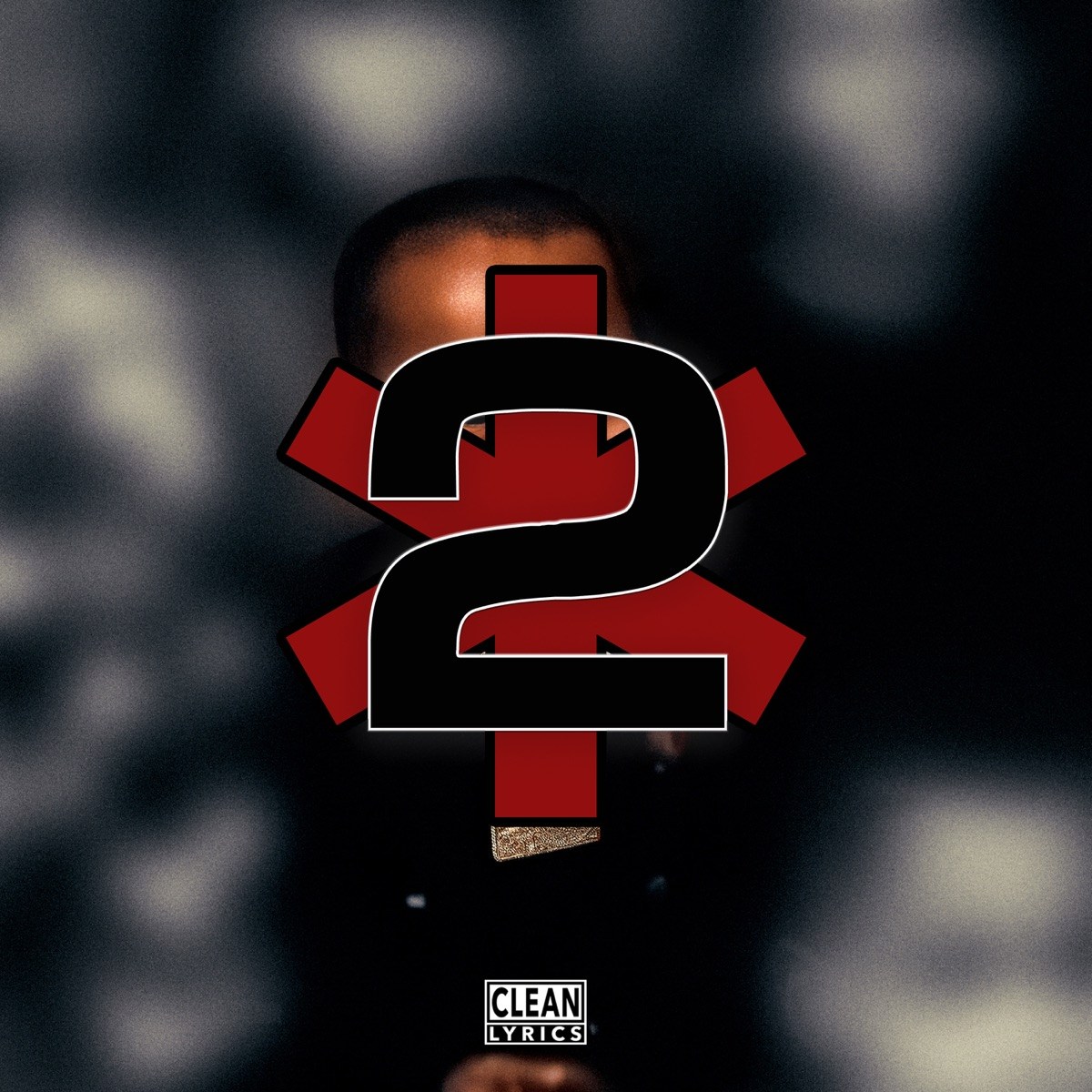
- BigXthaPlug — artist-photo: https://is1-ssl.mzstatic.com/image/thumb/AMCArtistImages221/v4/2d/37/2e/2d372ebd-cf1a-b1f5-2e2e-b8aebb430cf2/ami_U003aidentity_U003a8cd8358dbec0e6453567ddb7d3121e91-2026-10-09T12-14-49.366Z_cropped.png/1200x1200bb.png
Preview media only. Public commercial image rights must be verified.