 Lux Amplify
Lux amplify / the culture desk
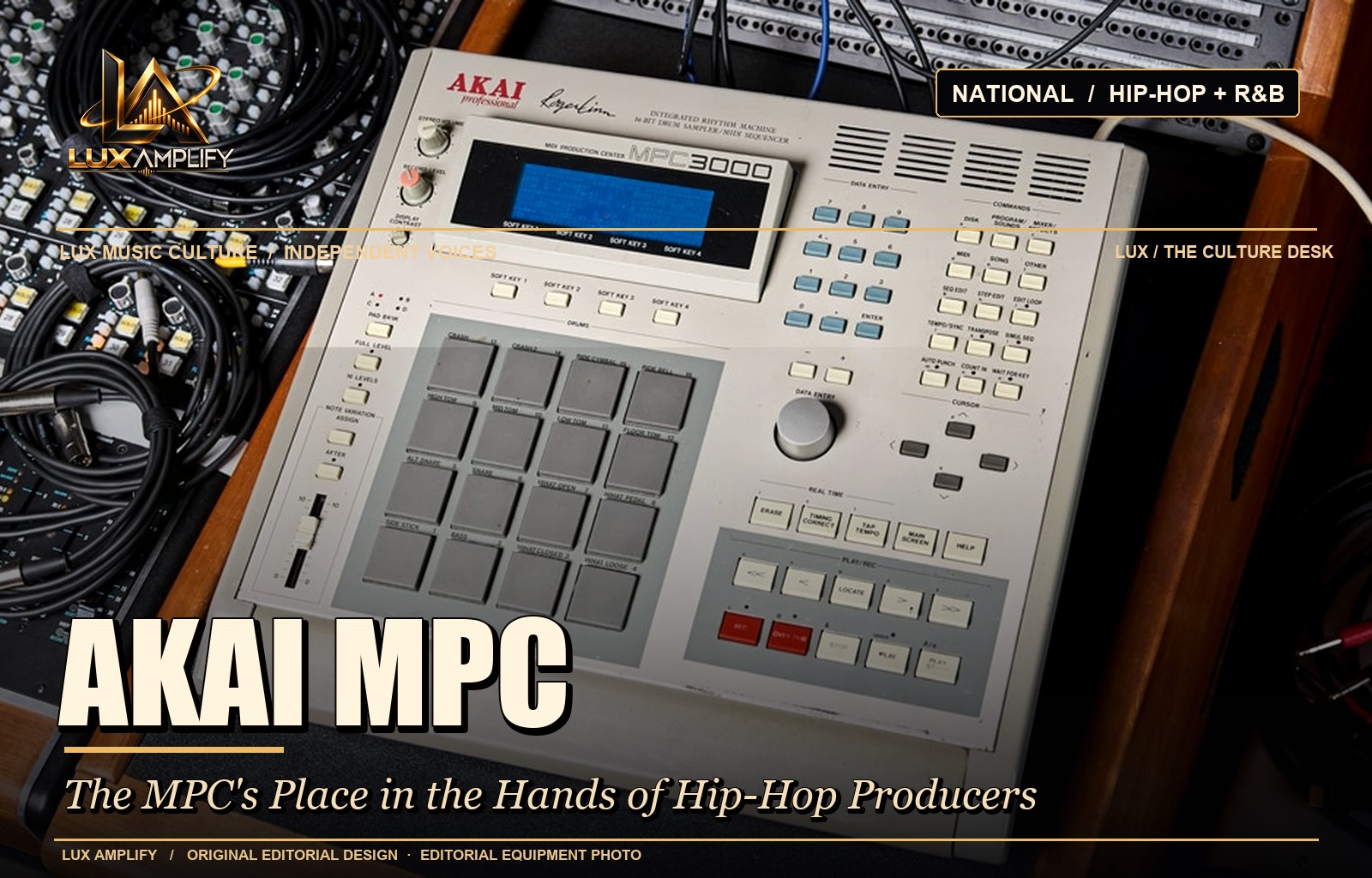
A pad-based sampler can turn rhythmic ideas into something physical: fingers, timing and sound moving together.
The Smithsonian's National Museum of African American History and Culture exhibits an MPC3000 used by J Dilla alongside his synthesizer.
The museum artifact is a starting point for a larger discussion about sequencing, sampling, groove and the distinct roles of producer and recording engineer.
For listeners, the best place to start is the documented work rather than a social-media claim about what might be coming next. A dated release page, an official performance or a carefully credited interview gives a stronger foundation for discovery. The details matter: a lead artist, a guest, a producer and an engineer can each contribute to a recording without holding the same credit.
That is the editorial approach behind this individual feature. The cultural setting gives the music some geography, but it does not substitute for the songs, recordings and creative decisions that audiences can actually examine. Follow the primary source for the historical or release fact; use the discovery links to find the artist’s current official catalog before assuming any search result is verified.
Source reporting / documented archive
Music discovery (search, not a verified direct song)
Official video discovery (search, not verified video)
VISUAL SOURCE: General music-culture scene photo, not a photograph of Akai MPC. Internal preview only. Review license and likeness rights before public use.
Photography and source credits
- — EDITORIAL EQUIPMENT PHOTO: https://www.guitarcenter.com/riffs/gear-tips/keyboards--midi/history-of-the-akai-professional-mpc
Preview media only. Public commercial image rights must be verified.