 Lux Amplify

Lux amplify / the culture desk
Joyce Wrice’s 2026 releases demonstrate why Southern California coverage should include R&B songwriting, collaboration and vocal-led records. A regional page that only catalogs rappers leaves out a major part of the audience and the creative work.
The track credits show the people named on the song and the date it arrived. We use the exact release instead of a generic artist page, then connect that recording to the wider Los Angeles and San Diego independent soul conversation.
Lux amplify editorial / the deeper story
The lux read
Joyce Wrice deserves to be discussed as more than a voice parked next to hip-hop on a playlist. Her recent official releases make a clear case for treating R&B writing and the featured vocal performance as stories in their own right. Pay attention to the project title, the guest credits and the exact song. The West Coast conversation feels bigger when all of those lanes have space to move.
Look past the headline
Part of the attraction is the wider Southern California conversation. Southern California carries a deep musical memory, but its artists are not obligated to sound like yesterday. From Long Beach to Los Angeles, rap, R&B and production culture keep crossing lines. Looking beyond a single chart position can reveal collaborators and creative decisions that a quick release notification leaves out. R&B is often at its most interesting when it leaves room for emotional detail: what a singer says, what they leave unsaid, and how a listener fills in the space between. That is a listening invitation, not a claim about the production of this particular track. The finished recording has to speak for itself.
Why the details count
There's also a business side worth paying attention to. Fans may discover the music through a new single; venues, brands and media outlets often need a different level of detail. Dates, release credits, official imagery and a reliable source link are the building blocks of a pitch that respects everyone involved. An album title and an individual song can point in different directions. Hearing the selection on its own is one experience; returning to it within the full release tells you more about the sequence the artist chose to put in front of the audience. Give both a chance before deciding where it belongs in your rotation.
What to check next
Start with the named source already linked in this article. From there, follow the official artist, project or performance page and compare any credits with what the source actually states. If there is a video, enjoy it through the original uploader; if there is only a search link, treat that as a search rather than a verified official profile. The internet can turn a release into yesterday's news before people have even pressed play. Here we're moving differently: start with the name on the record, understand the credits, then give the audience a route to the actual music. Discovery works better when the details stay intact.
Listen — featured recording
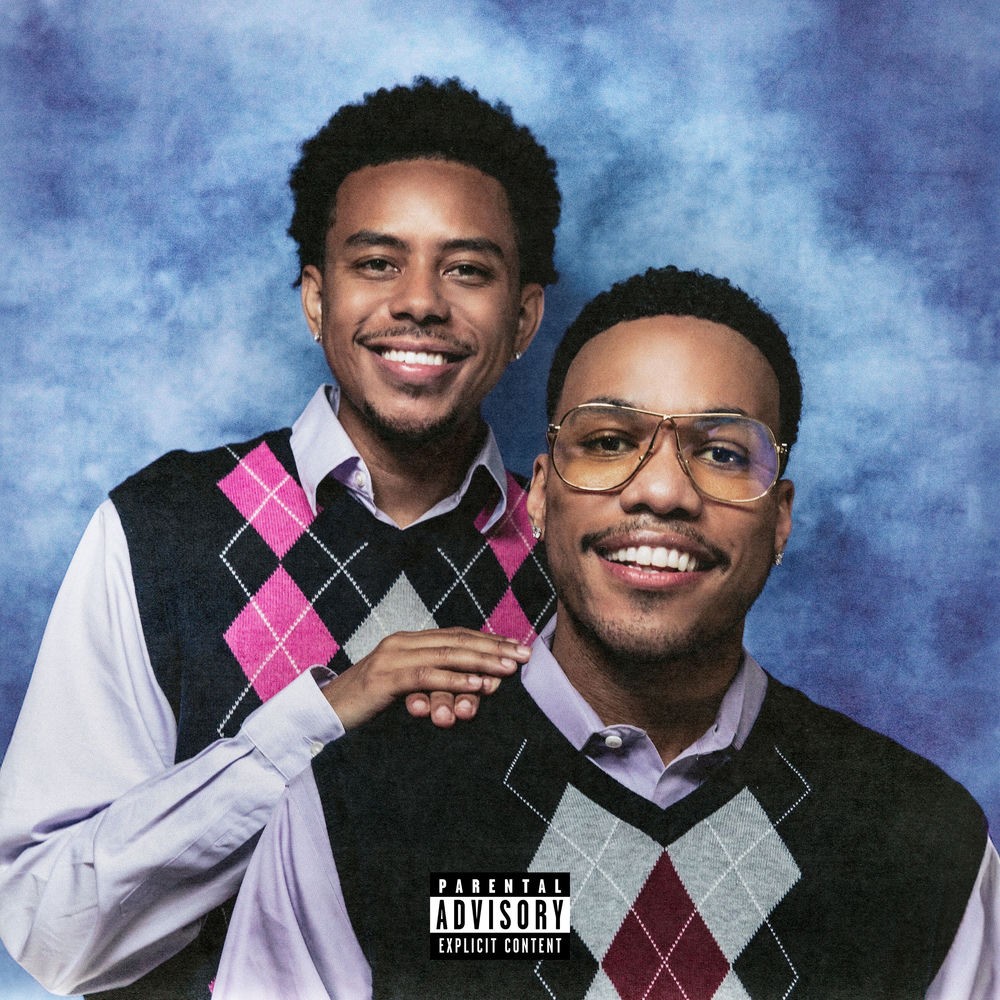
Joyce Wrice — Wish I Knew (feat. Odeal) (MACHIKO, 2026-10-09)
Apple Music — exact song: https://music.apple.com/us/album/wish-i-knew-feat-odeal/6804892827?i=6804892847&uo=4
Spotify — track search (verify the result before listening): https://open.spotify.com/search/Joyce%20Wrice%20Wish%20I%20Knew%20%28feat.%20Odeal%29
Instagram — locate verified artist account (search, not confirmed profile): https://www.google.com/search?q=Joyce+Wrice+official+Instagram
Find an official music video (YouTube search, not a verified direct player): https://www.youtube.com/results?search_query=Joyce+Wrice+official+music+video
EDITORIAL NOTE: Independently sourced release and reporting links; no implied label, artist-management or sponsorship relationship.
Photography and licensed source artwork are used for internal editorial preview only. Publish only after image rights clearance.
Photography and source credits
- Joyce Wrice — artist-photo: https://music.apple.com/us/artist/joyce-wrice/591991458
Preview media only. Public commercial image rights must be verified.