 Lux Amplify

Watch
Lux amplify / the culture desk
P-Lo’s 2026 song listings give listeners a direct path into a producer-performer catalog associated with Northern California. The releases can be enjoyed as individual records, but the broader cultural thread is an artist navigating both beatmaking and performance.
Lux Amplify keeps the release credits separate from general reputation. The official track link below identifies the performers attached to this particular recording; it does not imply P-Lo produced every song in the surrounding scene.
Lux amplify editorial / the deeper story
The lux read
P-Lo can appear to a listener as a performing artist and as a name connected to the production culture of the Bay. Those are related but distinct ways to follow a catalog. The 2026 recordings give you something concrete to start with, and the official credits help keep the route honest. Bay Area pride is useful context; it's the artist's actual music that should get the final word.
Look past the headline
Part of the attraction is the wider Bay Area conversation. The Bay Area has always had a strong conversation about place, personality and ownership. Oakland, Vallejo, San Francisco and nearby scenes don't need to share the same approach to belong to the same larger culture. Sometimes the most useful music journalism is simply connecting a documented release with the community that surrounds it. A record doesn't appear from thin air when somebody presses upload. Engineers, producers, instrumentalists, writers and featured artists can all have separate jobs, and their contributions are easy to blur in quick social captions. Accurate public credits give listeners a better map of the actual creative community.
Why the details count
There's also a business side worth paying attention to. Fans may discover the music through a new single; venues, brands and media outlets often need a different level of detail. Dates, release credits, official imagery and a reliable source link are the building blocks of a pitch that respects everyone involved. This is also why a recording's title and performer lineup aren't the whole story. When an official source names a particular technical or production role, that's the role we should report. The work deserves recognition without stretching an engineering credit into an invented producer credit or claiming exclusive ownership.
What to check next
Start with the named source already linked in this article. From there, follow the official artist, project or performance page and compare any credits with what the source actually states. If there is a video, enjoy it through the original uploader; if there is only a search link, treat that as a search rather than a verified official profile. Treat this as the beginning of a listening journey, not the last word. A name, a city, a song and an official link are enough to start a meaningful conversation. The rest happens when you explore the record, the surrounding catalog and the people credited with making it.
Listen — featured recording
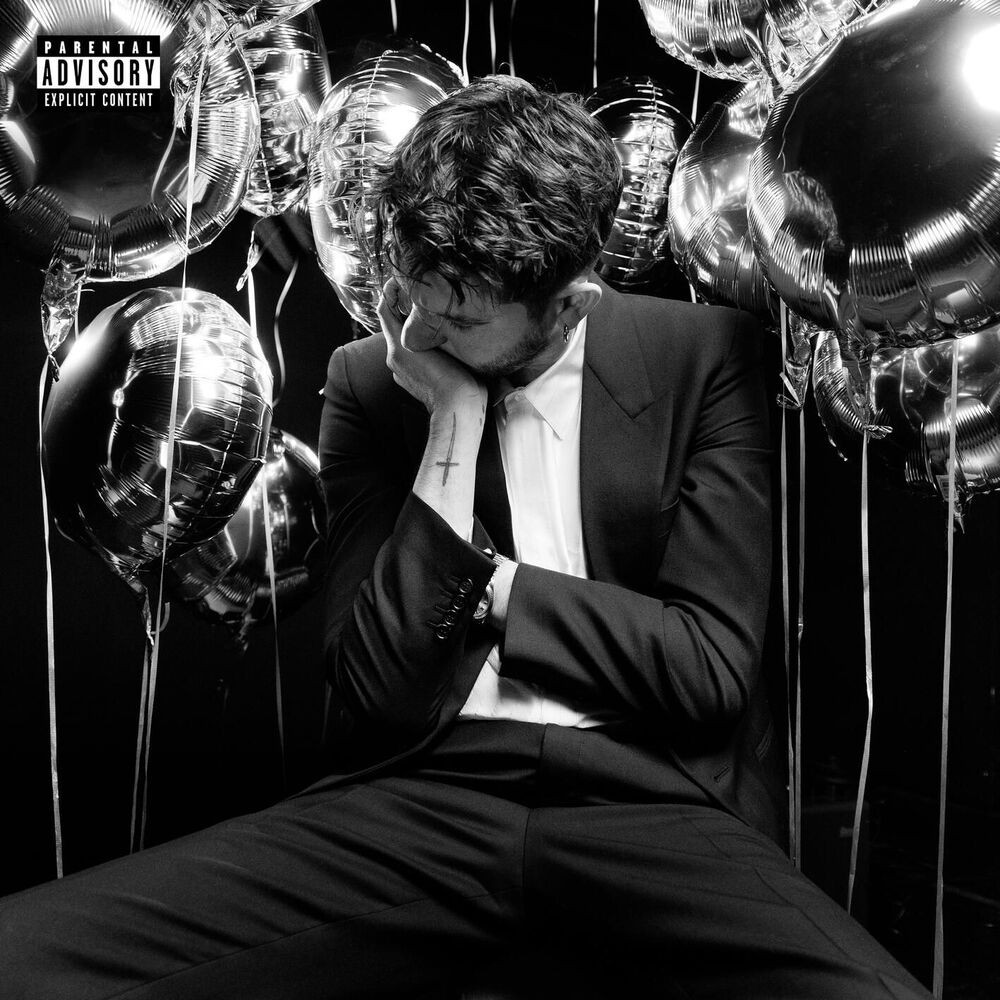
P-Lo — WTD (OUT THE BOX, 2026-08-14)
Apple Music — exact song: https://music.apple.com/us/album/wtd/6796901026?i=6796901031&uo=4
Spotify — track search (verify the result before listening): https://open.spotify.com/search/P-Lo%20WTD
Instagram — locate verified artist account (search, not confirmed profile): https://www.google.com/search?q=P-Lo+official+Instagram
OFFICIAL ARTIST CHANNEL VIDEO — may be a different song from the featured track
EDITORIAL NOTE: Independently sourced release and reporting links; no implied label, artist-management or sponsorship relationship.
Photography and licensed source artwork are used for internal editorial preview only. Publish only after image rights clearance.
Photography and source credits
- P-Lo — release-artwork: https://is1-ssl.mzstatic.com/image/thumb/Music211/v4/6a/de/e9/6adee975-8331-4ca5-2b42-d2a4500637a3/199316719246_cover.jpg/1200x1200bb.jpg
Preview media only. Public commercial image rights must be verified.