 Lux Amplify

This is not a guest-vocal or songwriting feature being mistaken for production: Universal Music lists Jay as a producer, while naming Blxst and Snoop Dogg as the performing artists. Producer credits matter because the sound behind a record is part of its story, even when the producer is not named in the streaming title.
“Go To War” brings together Blxst’s melodic West Coast delivery and Snoop Dogg’s established California presence. The connection matters to Jay’s career because it places his work on a release by two recognized performers; it does not mean Jay owns or distributes the master recording.
Red Bull Records’ profile of Jay separately describes him as a self-taught multi-instrumentalist and credits his production work with Snoop Dogg and Bino Rideaux. Fans can hear the official recording using the linked Apple Music and Spotify pages.
Lux amplify editorial / the deeper story
The lux read
The behind-the-boards story becomes more interesting when it connects artists from the same broader West Coast musical network. 'Go To War' carries publicly documented production credit for Jay Millian alongside the performers named on the release. That gives his own G$OUL catalog another point of entry without suggesting that the producer owns the master or performed the vocals.
Look past the headline
The Southern California context matters, but it should not swallow the individual story. Southern California carries a deep musical memory, but its artists are not obligated to sound like yesterday. From Long Beach to Los Angeles, rap, R&B and production culture keep crossing lines. Looking beyond a single chart position can reveal collaborators and creative decisions that a quick release notification leaves out. A record doesn't appear from thin air when somebody presses upload. Engineers, producers, instrumentalists, writers and featured artists can all have separate jobs, and their contributions are easy to blur in quick social captions. Accurate public credits give listeners a better map of the actual creative community.
Why the details count
Think of the difference between an interesting link and an actual reference. A reference gives you enough context to know what you're opening, where it came from and why it might be worth your time. That is what a regional music publication should aim to deliver. This is also why a recording's title and performer lineup aren't the whole story. When an official source names a particular technical or production role, that's the role we should report. The work deserves recognition without stretching an engineering credit into an invented producer credit or claiming exclusive ownership.
What to check next
Start with the named source already linked in this article. From there, follow the official artist, project or performance page and compare any credits with what the source actually states. If there is a video, enjoy it through the original uploader; if there is only a search link, treat that as a search rather than a verified official profile. There is a difference between being present in the conversation and being reduced to a passing mention. This story earns more than a headline because it points toward a specific piece of work. We can give that work room without pretending to know private studio conversations or claiming an artist said something they never said.
SOURCE — Universal Music, original label production credit:
SOURCE — Red Bull Records, Jay Millian artist profile:
LISTEN — Go To War on Apple Music:
LISTEN — Go To War on Spotify:
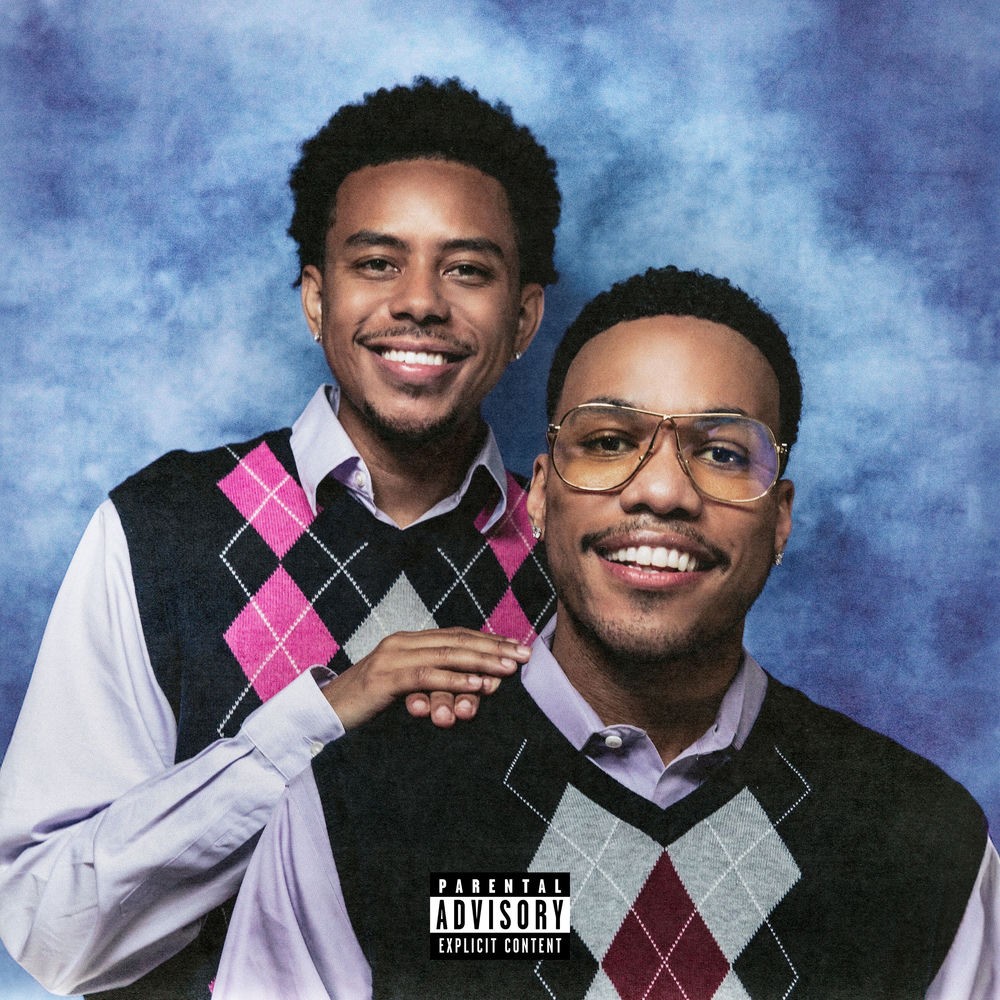
Editorial reporting by Lux Amplify. Cover imagery is preview-only until photo rights are cleared.
Photography and source credits
- Jay Millian — artist-photo: Lux Amplify original real artist photo library
Preview media only. Public commercial image rights must be verified.